


How Fiber to the Home Enhances Internet Quality

In today's digital age, having a reliable and fast internet connection is essential. Whether for work, entertainment, or communication, the quality of your internet can significantly impact your daily life. One of the most effective ways to improve internet quality is through home fiber internet. This technology offers numerous advantages over traditional internet connections, providing users with faster speeds, greater reliability, and better overall performance.
The Benefits of Home Fiber Internet
Home fiber internet delivers data through thin strands of glass or plastic called optical fibers. These fibers transmit information as pulses of light, allowing for incredibly fast and efficient data transfer. Here are some key benefits of choosing home fiber internet:
High Speed: Fiber optic cables can support extremely high bandwidths, enabling download and upload speeds that far exceed those of copper cables or DSL connections. This means smoother streaming, quicker downloads, and seamless video calls.
Low Latency: Fiber internet reduces the delay between sending and receiving data, which is crucial for online gaming, video conferencing, and other real-time applications.
Reliability: Unlike traditional copper cables, fiber optic cables are less susceptible to interference from electrical signals or weather conditions. This results in a more stable connection with fewer outages.
Future-Proof Technology: Fiber networks can handle increasing data demands as technology evolves, making them a smart long-term investment for any household.

Understanding Home Fiber Internet Technology
Home fiber internet involves running fiber optic cables directly to a residence, bypassing older infrastructure like copper wires. This direct connection allows for the full benefits of fiber optics to be realized inside the home. The installation process typically includes:
Fiber Line Installation: A fiber optic cable is laid from the nearest distribution point to the home.
Optical Network Terminal (ONT): This device converts the light signals from the fiber into electrical signals that your home devices can use.
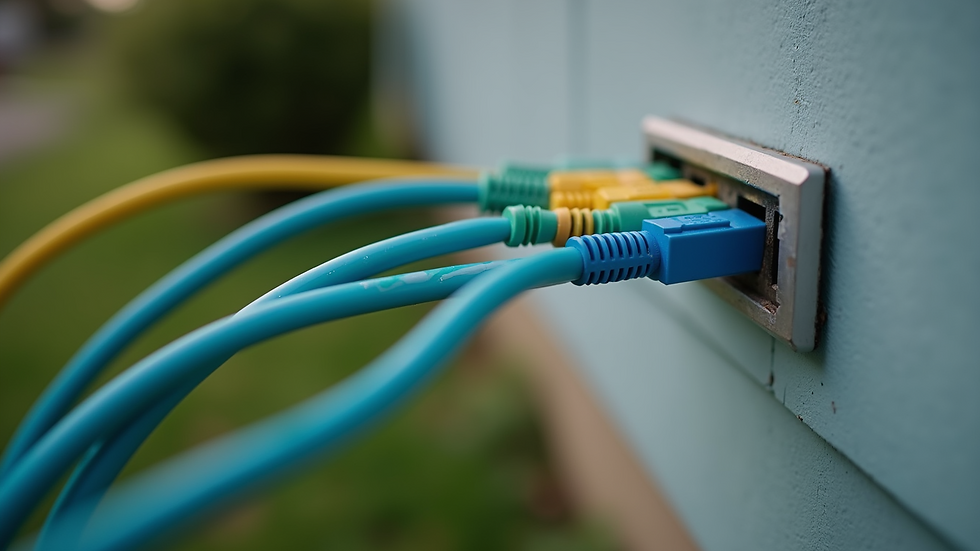
Router Setup: A compatible router distributes the internet connection wirelessly or through Ethernet cables to various devices.
This setup ensures that the high-speed, low-latency benefits of fiber optics are maintained throughout the home network.

What does fiber to the home mean?
The term "fiber to the home" refers to the installation of fiber optic cables directly to individual residences. This is different from other fiber deployments where fiber might only reach a neighborhood node or a building, with the final connection to the home made via slower copper or coaxial cables. By bringing fiber all the way to the home, users experience the full advantages of fiber optic technology without bottlenecks.
This approach eliminates many common issues such as signal degradation and bandwidth limitations that occur with older technologies. It also supports symmetrical internet speeds, meaning upload and download speeds are equally fast, which is particularly beneficial for activities like video conferencing, cloud computing, and uploading large files.
Practical Tips for Maximizing Your Home Fiber Internet Experience
To get the most out of your home fiber internet, consider the following recommendations:
Use a High-Quality Router: Invest in a router that supports gigabit speeds and the latest Wi-Fi standards (such as Wi-Fi 6) to ensure your devices can handle the fast connection.
Optimize Router Placement: Position your router in a central location, away from obstructions and electronic interference, to maximize wireless coverage.
Secure Your Network: Protect your connection with strong passwords and encryption to prevent unauthorized access and maintain optimal speeds.
Regularly Update Firmware: Keep your router and ONT firmware up to date to benefit from performance improvements and security patches.
Wired Connections for Critical Devices: For devices that require the most stable connection, such as gaming consoles or workstations, use Ethernet cables instead of Wi-Fi.
By following these tips, you can ensure that your home fiber internet connection delivers the best possible performance.
The Future of Internet Connectivity with Fiber
As more households and businesses adopt fiber optic technology, the internet landscape is rapidly evolving. Fiber networks support emerging technologies such as 4K and 8K streaming, virtual reality, and smart home devices that require high bandwidth and low latency.
Moreover, fiber infrastructure is essential for supporting the growing demand for remote work and online education. With fiber to the home, users can enjoy uninterrupted video calls, fast access to cloud services, and seamless collaboration tools.
Investing in fiber internet today means preparing your home for the digital demands of tomorrow. For those interested in upgrading, exploring options with providers specializing in fiber to the home services can be a great first step.
For more information on how fiber to the home can transform your internet experience, visit Blaze Network Solutions.
By embracing home fiber internet, you unlock a world of possibilities for faster, more reliable, and future-ready connectivity. Whether streaming your favorite shows, working from home, or gaming online, fiber technology ensures your internet quality keeps pace with your lifestyle.


Comments